인증 절차
벤치마크 수준의 인증, 더 명확하고 간결하게
INCI 리스트 검토부터 과학적 근거를 갖춘 마이크로바이옴 친화성(Microbiome-Friendly) 클레임까지 약 2~3주 안에 완료되는 명확한 5단계 프로세스를 제공합니다. 현재까지 500개 이상의 제품을 테스트했습니다.
5단계 인증 프로세스
- 1
1단계 — 사전 문서 분석(Desktop Analysis)
실험실 테스트에 앞서 제품의 성분 구성, INCI 리스트, pH 및 formulation 세부내용을 검토합니다. 시험 성공 가능성을 높이고 실패 가능성이 있는 요소를 사전에 확인하기 위한 단계입니다. 이러한 사전 검토를 통해 인증 프로세스를 보다 효율적으로 진행할 수 있습니다.
- 2
2단계 — 미생물학적 순도 확인(Microbiological Purity Check)
마이크로바이옴 테스트를 시작하기 전에 제품이 ISO 17516:2014의 미생물학적 품질 기준(TAMC / TYMC)을 충족하는지 확인합니다.[6]
- 3
3단계 — In Vitro 테스트(자연 상재균총 + 기회성 병원성 균총)
제품 적용 부위의 상재 미생물군과 기회성 병원성 미생물군을 대표하는 패널을 대상으로 제품을 평가합니다. 유익한 상재 미생물군의 균형을 저해하거나 병원성 미생물군에 유리한 환경을 만들어서는 안 되며, 미생물 생태계의 균형을 유지하는지를 확인합니다.
- 4
4단계 — Ex Vivo 미생물군 테스트
피험자의 스왑(swab) 샘플에서 유래한 균주를 활용해, 실제 인체 유래 미생물군의 상대적 개체군 구성과 생물다양성에 제품이 미치는 영향을 평가합니다.
- 5
5단계 — 보고서 및 인증
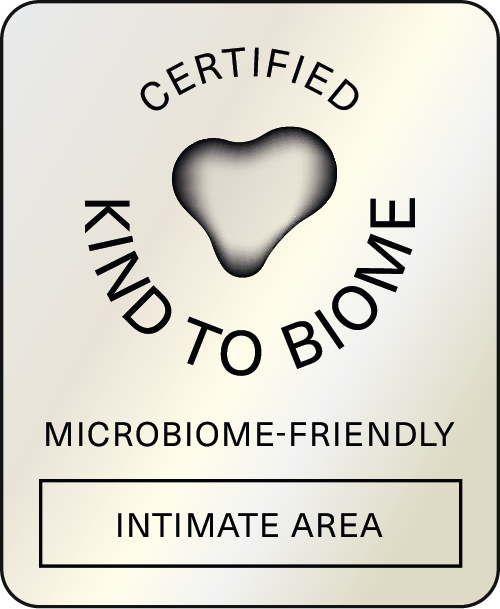
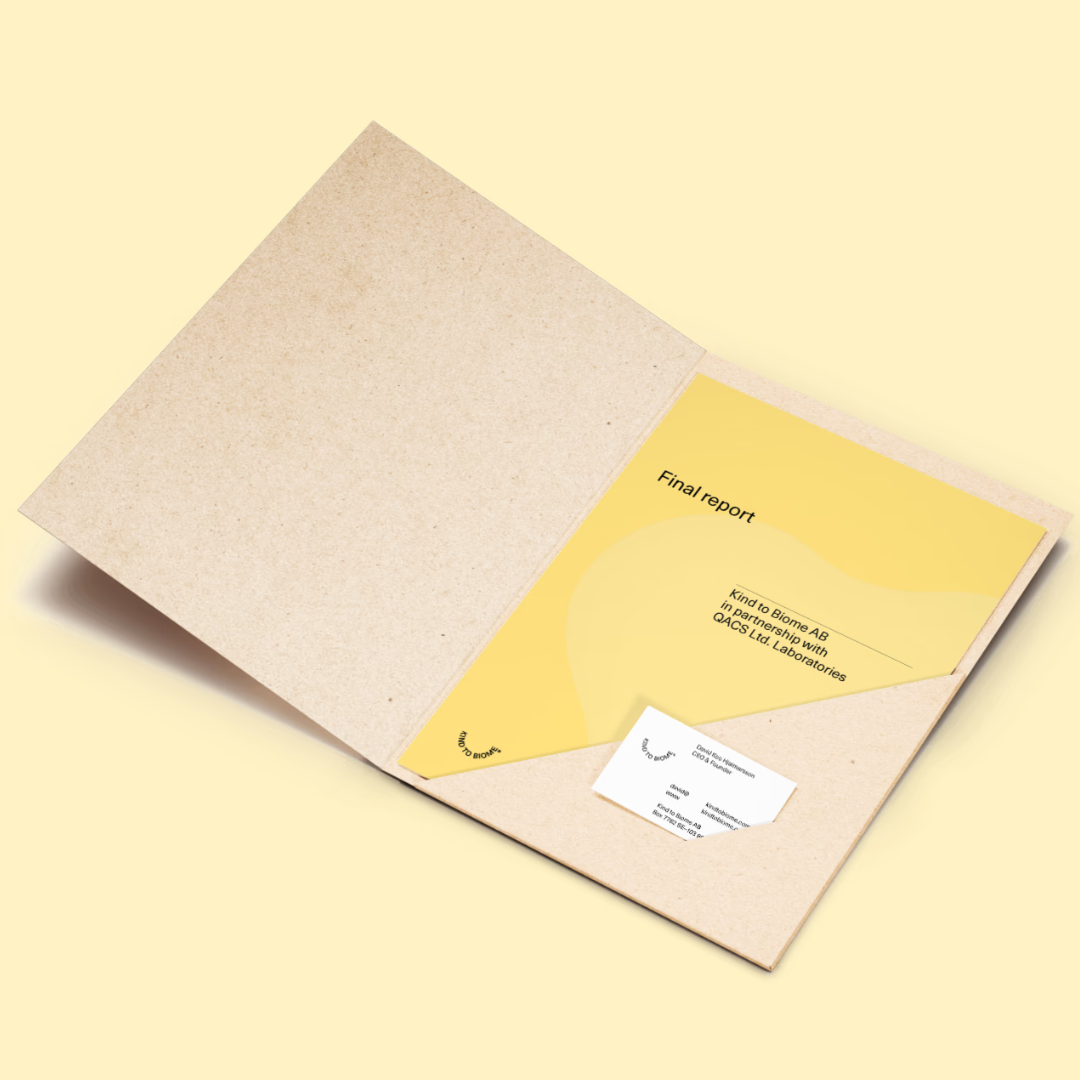
각 단계별 상세 보고서를 제공하며, 모든 기준을 통과한 제품에는 KIND TO BIOME 인증마크와 해당 제품의 마이크로바이옴 친화성 클레임을 뒷받침하는 결과를 제공합니다.
인증을 통해 뒷받침할 수 있는 클레임
KIND TO BIOME 인증은 다음과 같은 비조절형(Non-modulating) 마이크로바이옴 친화성 클레임의 과학적 근거를 제공할 수 있습니다:
- “피부 마이크로바이옴에 순한(Skin microbiome gentle)”
- “피부 마이크로바이옴 친화적인(Skin microbiome-friendly)”
- “중요한 피부 마이크로바이옴을 교란하거나 방해하지 않는(Does not disturb / interfere with the skin microbiome)”
- “건강한 피부 본연의 마이크로바이옴을 존중하는(Respects the natural microbiome of healthy skin)”
- “건강한 피부의 마이크로바이옴 균형을 유지하는(Maintains the microbiome balance of healthy skin)”
이러한 표현은 제품의 문구, 제품 특성 및 제품별 근거가 해당 시장의 적용 가능한 화장품 클레임 요건을 충족하는 경우 뒷받침될 수 있습니다.[1][2]
“균형을 바로잡는(rebalances)”, “다양성을 개선하는(improves diversity)”과 같은 적극적 조절(Modulating) 또는 혁신적(Breakthrough) 클레임을 원하시나요? 이러한 클레임에는 일반적으로 In Vivo 근거가 필요하며, 자세한 내용은 R&D 서비스의 In-Vivo Studies를 참고하세요.
제공 내용
인증 통과를 돕고, 더 나은 처방 개발까지 함께합니다
인증은 단순히 합격 또는 불합격을 판정하는 데 그치지 않습니다. 더 나은 제품 개발을 위한 중요한 인사이트가 될 수 있습니다. KIND TO BIOME은 처방 지원과 피부 친화적 보존제(Skin-Friendly Preservation) 가이드를 제공하여, 한 번의 미달 결과가 막다른 길이 아니라 규정과 마이크로바이옴 친화성을 고려한 더 나은 처방으로 개선하는 출발점이 될 수 있도록 지원합니다.
자주 묻는 질문
인증에는 얼마나 걸리나요?
실제로 무엇을 받게 되나요?
왜 먼저 INCI 리스트를 검토하나요?
인증이 제품이 마이크로바이옴을 개선한다는 것을 증명하나요?
제3자 독립 인증인가요?
500개 이상의 제품 테스트


대표 사례
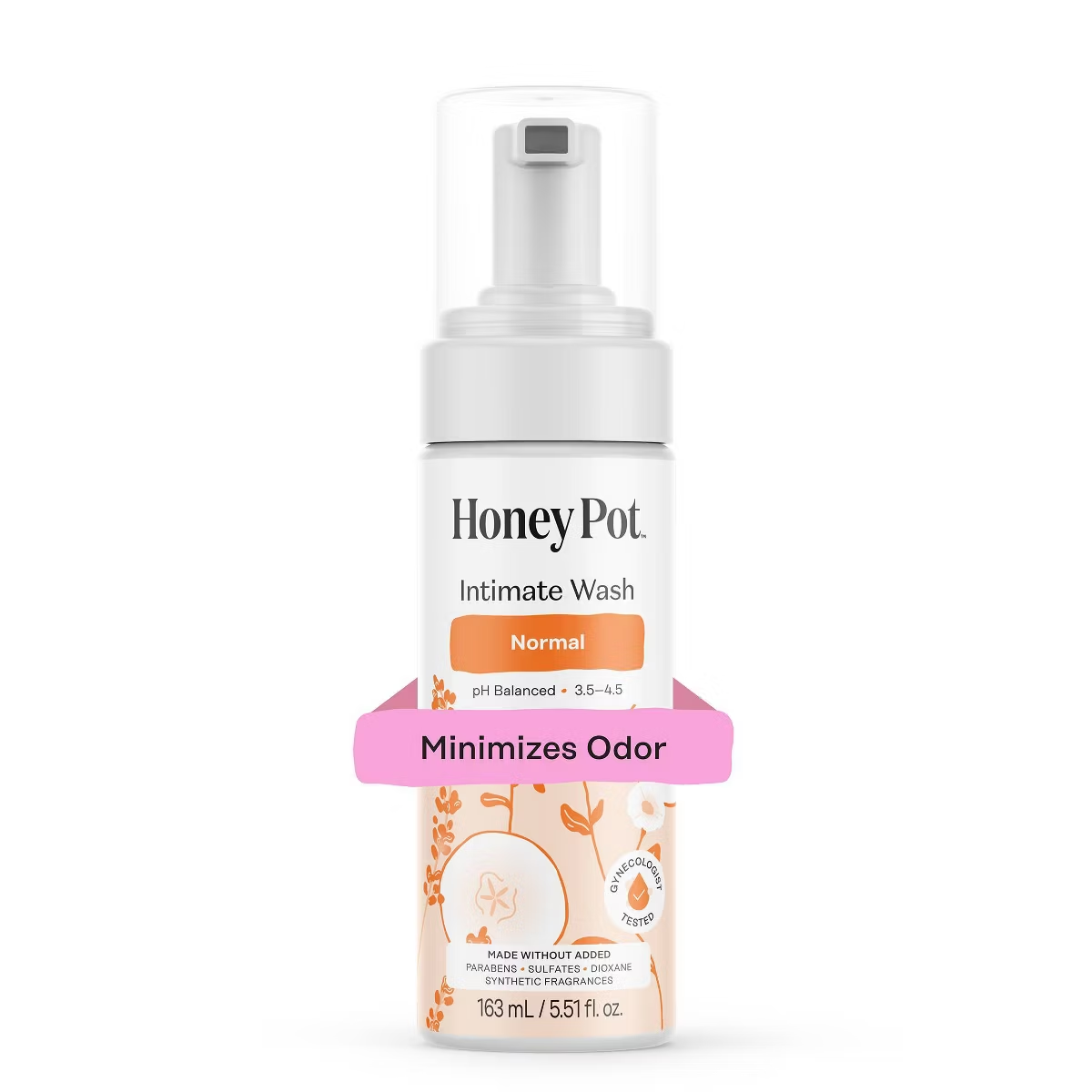
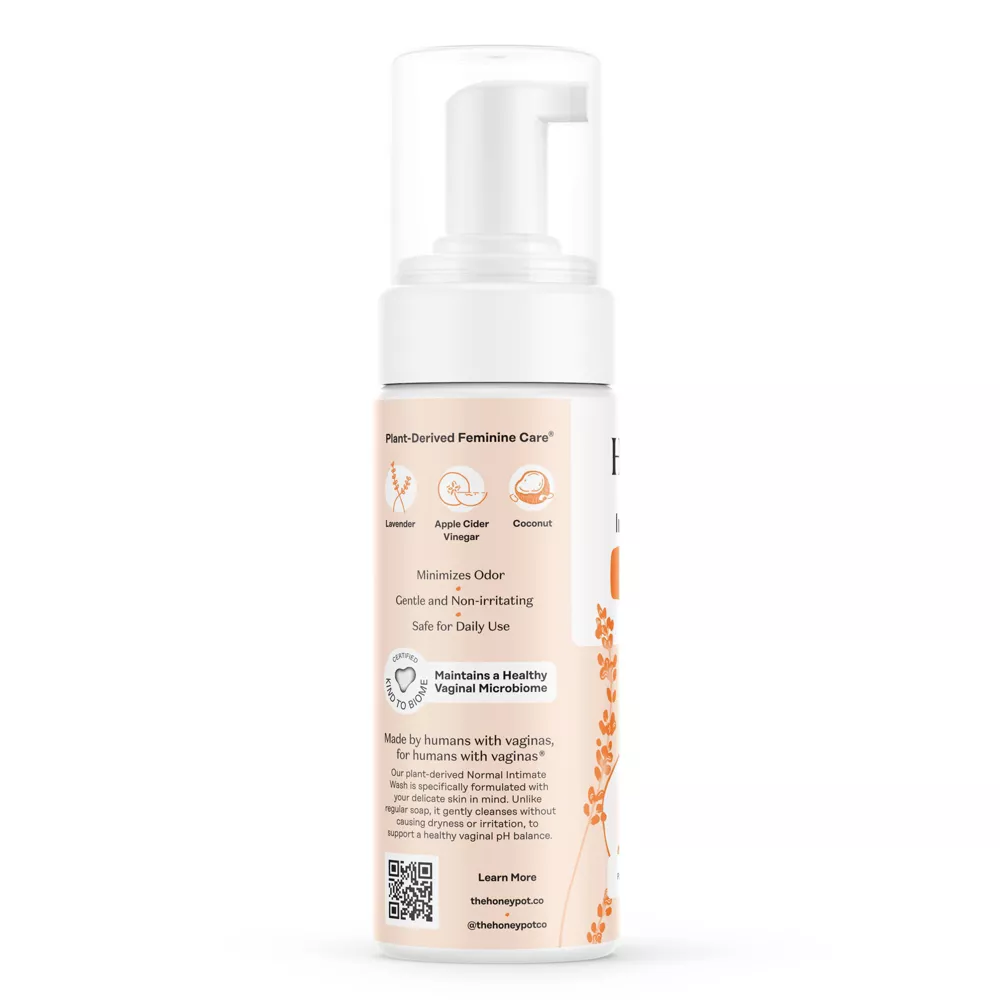
The Honey Pot Company — 인티메이트 케어 전반에 걸친 통합 검증
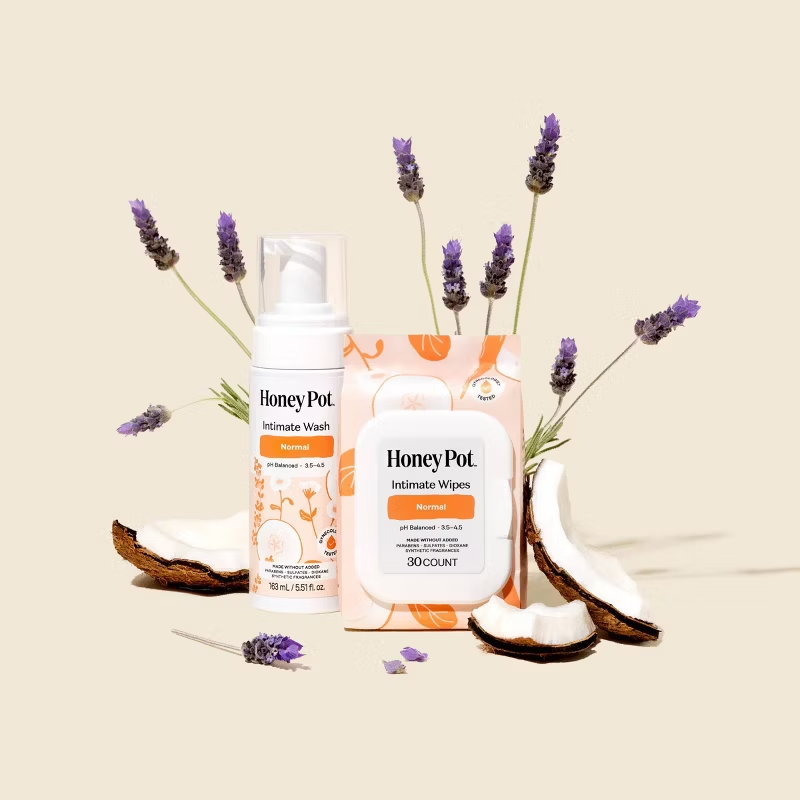

- 인티메이트 부위 마이크로바이옴 패널 인증
- 제품 패키지 표기: “건강한 질 마이크로바이옴 균형을 유지합니다”
“KIND TO BIOME은 마이크로바이옴을 보다 깊이 이해하는 데 중요한 인사이트를 제공해 주었고, 효과적인 프로토콜을 수립하기 위한 전략을 마련하는 데에도 큰 도움을 주었습니다. 보다 종합적인 결과를 얻기 위해 In Vitro, Ex Vivo, In Vivo 연구를 함께 진행했습니다.”
Scientific & regulatory references
- 1.Commission Regulation (EU) No 655/2013 laying down common criteria for the justification of claims used in relation to cosmetic products. Official Journal of the European Union, 2013. (Evidential-support criterion: claims must be supported by “adequate and verifiable evidence,” appropriate to the nature of the claim and reflecting “state of the art,” using valid, reliable and reproducible methods.)
- 2.Regulation (EC) No 1223/2009 of the European Parliament and of the Council on cosmetic products. Official Journal of the European Union, 2009. (Defines a cosmetic product by its action on the external surfaces of the body to clean, perfume, change appearance, protect or keep in good condition — the basis for why non-disruption claims fit the cosmetic definition while active physiological “modulation” invites higher scrutiny. Cross-reference Directive 2001/83/EC on the medicinal-product borderline.)
- 3.Byrd AL, Belkaid Y, Segre JA. The human skin microbiome. Nat Rev Microbiol. 2018;16(3):143–155. doi:10.1038/nrmicro.2017.157 (PMID: 29332945). (Establishes skin community complexity and high inter-individual/site variability — why controlled, reproducible methods matter and why in-vivo modulation must be shown longitudinally.)
- 4.Taléns-Visconti R, et al. Cosmetic interventions for skin microbiome modulation: current strategies and future directions. Skin Res Technol. 2026. doi:10.1111/srt.70352 (PMID: 41988834). (Reports that properly formulated cosmetics generally do not induce major dysbiosis in healthy skin — the non-modulation baseline — while active modulation benefits are the domain of advanced formulations supported by clinical study.)
- 5.Xu DT, et al. Microbiome data variation depending on sampling methods in acne vulgaris. Front Immunol. 2025;16:1566786. doi:10.3389/fimmu.2025.1566786 (PMID: 40552289). (Different sampling methods yield significantly different in-vivo microbiome results — underscoring why in-vivo modulation studies must be tightly controlled, and why a controlled ex-vivo protocol is a clean way to answer a non-disruption question.)
- 6.ISO 17516:2014 — Cosmetics — Microbiology — Microbiological limits. International Organization for Standardization, 2014. (The purity standard applied in Phase 1: TAMC / TYMC limits.)