Acne studies
Prove your acne product works — through a microbiome lens
Acne is an imbalance in the skin’s ecosystem. We give brands and formulators the in-vitro, ex-vivo and in-vivo evidence to show that an acne-targeting product modulates the microbiome selectively — not just indiscriminately — and to substantiate the claims that follow.
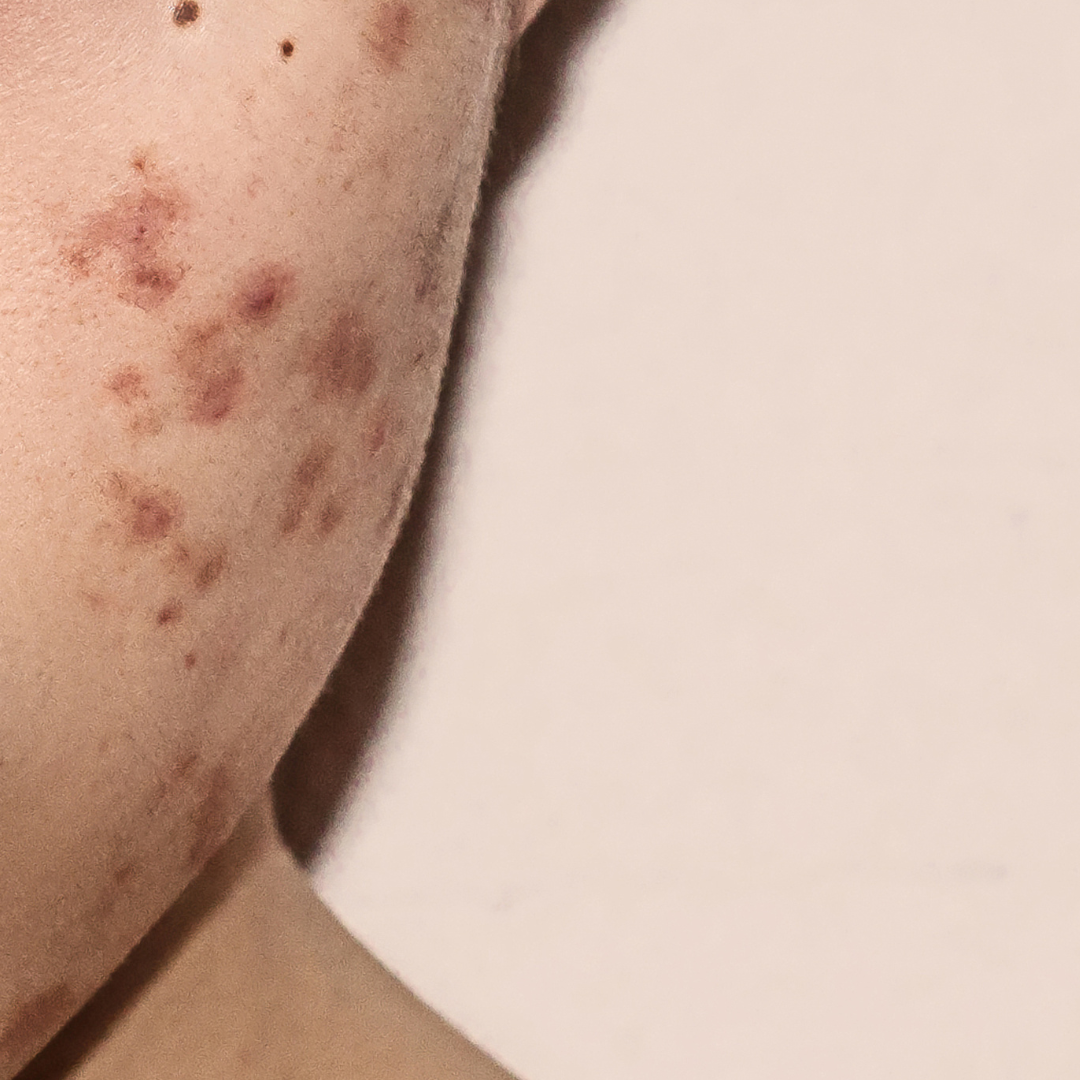
Acne is a balance problem, not just a bacteria problem
For decades, acne care meant one thing: kill Cutibacterium acnes. But the science has moved on, and so has the way acne products are tested.
C. acnes is a lifelong, largely beneficial resident of healthy skin — it helps maintain an acidic barrier and holds opportunistic pathogens in check.[3][6] The pivotal insight from modern metagenomics is that people with and without acne carry similar overall amounts of C. acnes; what differs is the strain balance — specific lineages dominate in acne-prone skin while diversity is lost.[1] The field now frames acne as a dysbiosis: a loss of balance between C. acnes phylotypes and a disturbance of the wider skin community, rather than simple overgrowth.[2][4]
That reframing changes what “efficacy” should mean. A product that sterilises the skin can look impressive in a kill assay while actually degrading the ecosystem you want to protect — and blunt antimicrobial pressure is a known driver of resistance.[5] The more meaningful question is: does your product restore strain balance and selectively target outliers, while sparing the commensals that keep skin healthy? That is precisely what microbiome-focused testing is built to answer.[2][14]
“Same amount of C. acnes. Different balance. That difference is the target.”
Three ways to build your evidence — from mechanism to real skin
We map testing to the claim you want to make and the stage you’re at. The three pathways stack: mechanism in the lab, community-level effects on real human skin, and signalling-level proof of how it works. Use one, or combine them for a claims package that holds up to scrutiny.
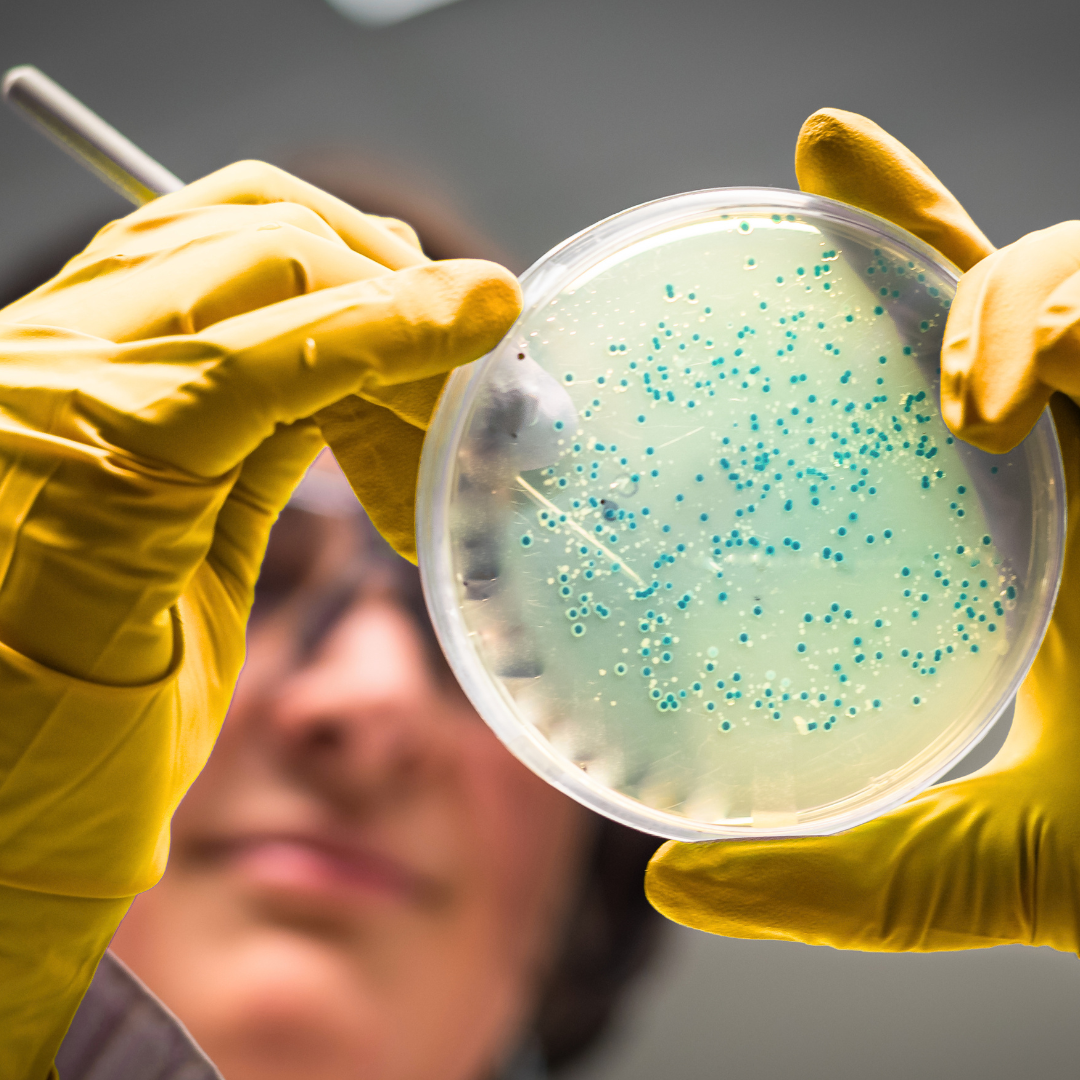
Enhanced in-vitro + ex-vivo certification
Fast, controlled, mechanism-focused screening against real, acne-relevant bacteria.
IN-VITRO · EX-VIVO
Learn more
In-vivo microbiome study with acne-prone volunteers
What actually happens to the skin community, and to blemishes, over time.
VOLUNTEERS · SEQUENCING
Learn more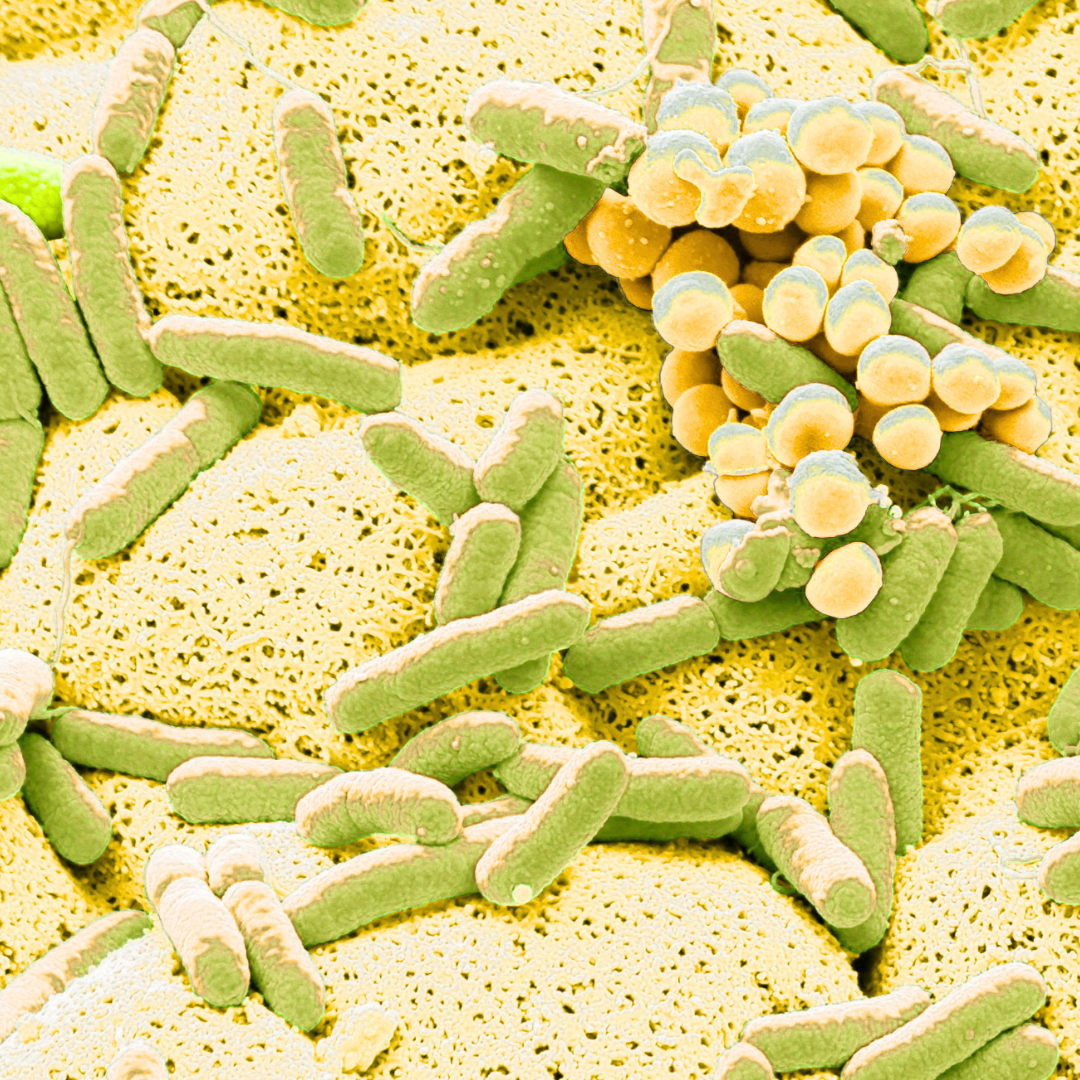
Quorum quenching mechanism validation
Proof that your product interrupts the bacterial communication that drives biofilm and virulence. (See our dedicated Quorum Quenching page.)
BIOFILM · ANTI-VIRULENCE
Learn more
Method 1 — In-vitro / ex-vivo
Mechanism first — tested against the strains that actually matter
Standard antimicrobial screening asks a crude question (“does it kill bacteria?”) against a single lab strain. That misses the point of a dysbiosis-driven condition. Our enhanced in-vitro and ex-vivo certification is designed around acne biology:
Multiple C. acnes strains, not one. Because acne tracks with strain balance rather than total load, we evaluate formulations against a panel of acne-relevant C. acnes strains, including the biofilm-forming, more virulent phylotypes enriched in inflammatory lesions.[1][4]
Real-world microbial input. We can incorporate swabs from acne-prone volunteers so testing reflects the community your product will actually meet, not an idealised monoculture.
Balance-aware readouts. Rather than a simple kill count, we look at whether a product selectively curbs problematic strains and behaviours while sparing commensals such as Staphylococcus epidermidis, the selectivity that distinguishes a microbiome-friendly active from a blunt antimicrobial.[7][11]
Screening includes acne-relevant C. acnes type strains such as ATCC 6919 and ATCC 11827, selected to represent both commensal and lesion-enriched phylotypes.
early formulation screening, ingredient benchmarking, and generating mechanism evidence to support acne-targeting claims.
Method 2 — In-vivo
What actually happens on real skin, over time
Lab models tell you how a product could work; an in-vivo microbiome study tells you whether it does — on real acne-prone skin, tracked over time. We run studies on acne-prone volunteers with multiple sampling points, using high-throughput sequencing to capture how the skin microbiome shifts as the product is used.[12][13]
Because we read the community with 16S rRNA and/or shotgun metagenomic sequencing rather than culture alone, we can quantify the outcomes that matter for a modern acne claim: changes in microbial diversity, shifts in C. acnes strain balance, and movement toward a “healthier” community profile — alongside the visible improvements a brand cares about.[12][13][14] Independent clinical work shows how powerful this pairing is: a 2025 study of a prebiotic acne product combined lesion-count improvement with whole-genome sequencing of the skin microbiome, reporting reduced lesions together with a measurable increase in healthy C. acnes — the kind of “we improved skin and the microbiome” narrative that sequencing makes defensible.[12]
substantiating outcome and microbiome-balance-acne claims with human data; flagship claims for launch.
Method 3 — Quorum quenching
Prove your product silences the signal, not the microbiome
The deepest layer of acne biology is bacterial communication. C. acnes coordinates biofilm formation and virulence through quorum sensing, density-dependent chemical signalling, and biofilm is strongly linked to acne persistence, inflammation and treatment failure.[5][18] Our Quorum Quenching Assay evaluates whether your formulation disrupts that signalling and C. acnes biofilm formation: an anti-virulence readout that shows a product can disarm the bacterium without needing to kill it, and without collateral damage to the wider community.[5][15]
This is a strong differentiator for microbiome-friendly acne positioning, and it dovetails with the in-vitro and in-vivo pathways above to complete a mechanism-to-outcome story.
Full detail on the science and the assay: Quorum Quenching.
anti-biofilm mechanism claims and acne-differentiation.
FAQs related to acne-targeting studies
Why test acne products against the microbiome at all — isn't killing C. acnes enough?
No. Acne is associated with an imbalance of C. acnes strains and a disturbed skin community, not simply with too much of the bacterium — overall C. acnes levels are similar in acne-prone and clear skin.[1][2] Testing that only measures killing can reward products that strip the skin and disturb the ecosystem, and blunt antimicrobial pressure drives resistance.[5] Microbiome-focused testing measures whether a product restores balance and disarms harmful behaviour.[2][14]
How do you decide which of the three pathways I need?
It depends on the claim and stage. In-vitro/ex-vivo is ideal for screening and mechanism; in-vivo sequencing gives human, community-level evidence for outcome and balance claims; the Quorum Quenching Assay proves an anti-biofilm/anti-signalling mechanism. Many brands combine them for a mechanism-to-outcome package.[8][12][15]
What do the in-vivo studies actually measure?
Skin microbiome samples from acne-prone volunteers at multiple time points, read with 16S rRNA and/or shotgun metagenomic sequencing, so we can quantify diversity, C. acnes strain balance and overall community shifts — alongside the visible improvements you want to demonstrate.[12][13]
Why test against multiple C. acnes strains?
Because strain identity — not total load — is what separates acne-prone from clear skin, and the more virulent, biofilm-forming phylotypes behave very differently from benign ones. A product should be evaluated against the strains that actually matter.[1][4]
Can this support the claims I want to make?
It’s designed to. See “Claims you can enable” above: microbiome-balance, selectivity, biofilm/mechanism and appearance claims can all be substantiated with the right study — while disease-treatment language (“treats/clears acne”) is avoided because it can reclassify a product as a medicine under EU law.[16][17]
Do you test finished formulations or ingredients?
Both — from single actives through to finished products.
Design my acne study
References
- 1.Fitz-Gibbon S, Tomida S, Chiu BH, et al. Propionibacterium acnes strain populations in the human skin microbiome associated with acne. J Invest Dermatol. 2013;133(9):2152–2160. doi:10.1038/jid.2013.21 (PMID: 23337890).
- 2.Dréno B, Dagnelie MA, Khammari A, Corvec S. The skin microbiome: a new actor in inflammatory acne. Am J Clin Dermatol. 2020;21(Suppl 1):18–24. doi:10.1007/s40257-020-00531-1 (PMID: 32910436).
- 3.Brüggemann H, Salar-Vidal L, Gollnick HPM, Lood R. A Janus-faced bacterium: host-beneficial and -detrimental roles of Cutibacterium acnes. Front Microbiol. 2021;12:673845. doi:10.3389/fmicb.2021.673845 (PMID: 34135880).
- 4.Cavallo I, Sivori F, Truglio M, et al. Skin dysbiosis and Cutibacterium acnes biofilm in inflammatory acne lesions of adolescents. Sci Rep. 2022;12(1):21104. doi:10.1038/s41598-022-25436-3 (PMID: 36473894).
- 5.Coenye T, Spittaels KJ, Achermann Y. The role of biofilm formation in the pathogenesis and antimicrobial susceptibility of Cutibacterium acnes. Biofilm. 2021;4:100063. doi:10.1016/j.bioflm.2021.100063 (PMID: 34950868).
- 6.Byrd AL, Belkaid Y, Segre JA. The human skin microbiome. Nat Rev Microbiol. 2018;16(3):143–155. doi:10.1038/nrmicro.2017.157 (PMID: 29332945).
- 7.Williams MR, Costa SK, Zaramela LS, et al. Quorum sensing between bacterial species on the skin protects against epidermal injury in atopic dermatitis. Sci Transl Med. 2019;11(490):eaat8329. doi:10.1126/scitranslmed.aat8329 (PMID: 31043573).
- 8.Galvan A, Pellicciari C, Calderan L. Recreating human skin in vitro: should the microbiota be taken into account? Int J Mol Sci. 2024;25(2):1165. doi:10.3390/ijms25021165 (PMID: 38256238).
- 9.Magnifico I, Petronio Petronio G, Cutuli MA, et al. A wall fragment of Cutibacterium acnes preserves junctional integrity altered by Staphylococcus aureus in an ex vivo porcine skin model. Pharmaceutics. 2023;15(4):1224. doi:10.3390/pharmaceutics15041224 (PMID: 37111709).
- 10.Bi O, et al. Do melanocytes have a role in controlling epidermal bacterial colonisation and the skin microbiome? Exp Dermatol. 2025;34(3):e70071. doi:10.1111/exd.70071 (PMID: 40051134).
- 11.Negut I, et al. From 1D microbiological assays to 3D advanced skin models: enhancing preclinical strategies to unravel the impact of bioactive textiles on the human skin microbiome. Front Cell Infect Microbiol. 2025;15:1676663. doi:10.3389/fcimb.2025.1676663 (PMID: 41210947).
- 12.Afzal L, et al. Open-label, prospective study of a prebiotic gel cream on its efficacy of mild to moderate acne management and effects on the functional skin microbiome. J Cosmet Dermatol. 2025. doi:10.1111/jocd.70138 (PMID: 41098119).
- 13.Taléns-Visconti R, et al. Cosmetic interventions for skin microbiome modulation: current strategies and future directions. Skin Res Technol. 2026. doi:10.1111/srt.70352 (PMID: 41988834).
- 14.Rušanac A, et al. Microbiome-based products: therapeutic potential for inflammatory skin diseases. Int J Mol Sci. 2025;26(14):6745. doi:10.3390/ijms26146745 (PMID: 40724992).
- 15.Grandclément C, Tannières M, Moréra S, Dessaux Y, Faure D. Quorum quenching: role in nature and applied developments. FEMS Microbiol Rev. 2016;40(1):86–116. doi:10.1093/femsre/fuv038 (PMID: 26432822).
- 16.Commission Regulation (EU) No 655/2013 laying down common criteria for the justification of claims used in relation to cosmetic products. Official Journal of the European Union, 2013.
- 17.Regulation (EC) No 1223/2009 of the European Parliament and of the Council on cosmetic products. Official Journal of the European Union, 2009.
- 18.Jahns AC, Lundskog B, Ganceviciene R, et al. An increased incidence of Propionibacterium acnes biofilms in acne vulgaris: a case–control study. Br J Dermatol. 2012;167(1):50–58. doi:10.1111/j.1365-2133.2012.10897.x (PMID: 22356121).