The certification protocol

The benchmark for a microbiome-friendly claim you can defend

Our four-phase in-vitro + ex-vivo protocol tests cosmetic products and raw materials against the communities that actually live on the body, across 17+ body-area panels, to substantiate microbiome-friendly claims with controlled, reproducible evidence. Established over three years and trusted on 300+ certified products.

Which claim can I make?
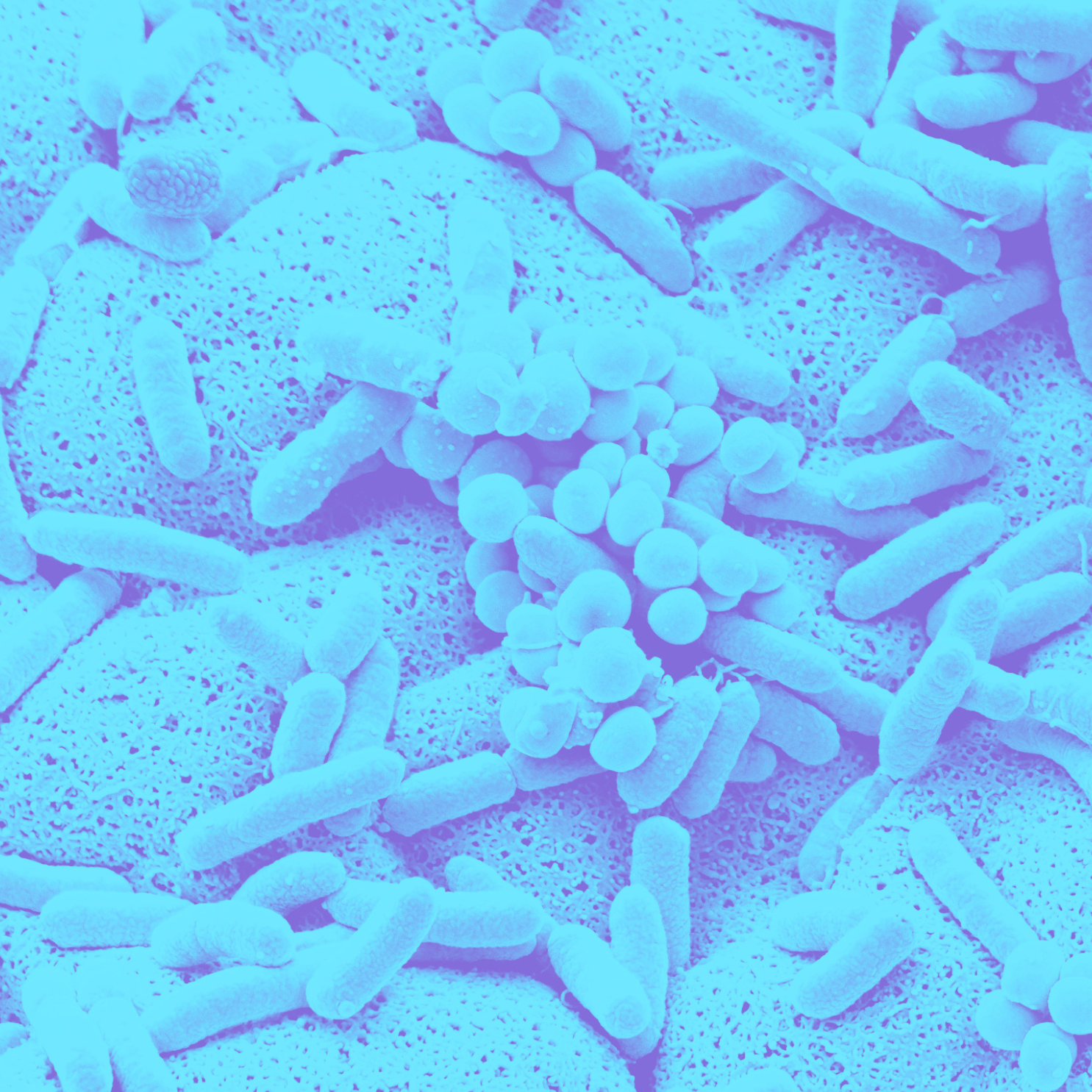
Duotone scanning electron micrograph of skin microbiome bacteria
CERTIFIED KIND TO BIOME microbiome-friendly seal

A recognised standard for microbiome-friendliness

The KIND TO BIOME certification has become a benchmark for demonstrating the microbiome-friendliness of cosmetic products and raw materials. It exists to answer one question with rigour: does this product respect the skin's microbial community, or disturb it? We answer it with a structured, four-phase protocol built around the real microbiology of the body — not a single lab strain in isolation.

Built around a claim you're allowed to make

The protocol is deliberately designed to line up with how cosmetic claims are actually regulated. Under EU rules, every claim must be supported by evidence that is appropriate to the nature of the claim, adequate, verifiable, and reflecting the state of the art.[1] A “microbiome-friendly” claim is a claim of non-disruption, and a rigorous, reproducible way to substantiate non-disruption is a controlled protocol that exposes the product to representative communities and measures whether it perturbs them. That is exactly what the four phases do.

More on which claims this protocol supports →

Four phases, from purity to community balance

  1. 1

    Phase 1Microbiological purity

    We first confirm the product itself meets microbiological quality limits under ISO 17516:2014 — Total Aerobic Microbial Count (TAMC) and Total Yeasts and Molds Count (TYMC).[6] A product must pass before it proceeds. (No point testing microbiome impact of a contaminated sample.)

    Must pass to proceed to phase 2

  2. 2

    Phase 2Influence on natural flora (in-vitro)

    We test the product against a panel of commensal microorganisms representative of the target application site, with controls, to confirm it does not suppress the beneficial residents that keep skin healthy.

    Must pass to proceed to phase 3

  3. 3

    Phase 3Influence on opportunistic pathogenic flora (in-vitro)

    We assess the product's effect on the opportunistic pathogens relevant to that body area, a microbiome-friendly product should not tip the balance in a pathogen's favour.

    Must pass to proceed to phase 4

  4. 4

    Phase 4Balancing the microbiome (ex-vivo)

    The community-level test. Using strains derived from swabs taken from volunteers, we evaluate how the product affects the relative populations of microorganisms and whether it maintains biodiversity — the closest a controlled, reproducible assay gets to real human skin. This is where non-disruption is demonstrated at the level that matters: the community, not just the single strain.

Matching evidence to your claim

Modulating vs non-modulating claims — and why the right evidence differs

Not all microbiome claims are the same, and they should not be tested the same way. The single most important principle in this field is that evidence must be proportionate to the claim, a requirement written into EU cosmetic-claims rules, not a matter of preference.[1]

Non-modulating claims

Non-modulating claims say a product is kind to the microbiome, that it does not disturb it. Claims like “microbiome-friendly,” “respects the natural microbiome of healthy skin,” and “maintains the microbiome balance of healthy skin” fall here. They are also the claims that sit most comfortably within the legal definition of a cosmetic, which acts on the surface to keep skin in good condition rather than modifying a physiological system.[2] Because the claim is one of non-disruption, the right evidence is a controlled, reproducible demonstration across representative communities, precisely what our in-vitro + ex-vivo protocol delivers, and arguably a cleaner answer to a yes/no non-disruption question than a small, high-variability in-vivo study would give.
Modulating claims

Modulating claims say a product actively changes the microbiome for the better, “rebalances,” “improves diversity,” “corrects dysbiosis.” These are breakthrough claims, and they carry a higher evidence bar for good reason: an active, directional change to a living human community may require well-designed human in-vivo evidence in the intended-use context, potentially including longitudinal microbiome analysis.[4][5] Such claims may require additional regulatory review depending on the overall product presentation and intended purpose.[2]

Where KIND TO BIOME stands

we offer the full spectrum, and we match the method to the claim. Our certification protocol substantiates non-modulating, microbiome-friendly claims rigorously and efficiently. When you want to make a breakthrough modulation claim, we take you into a properly designed in-vivo study — the evidence that claim actually requires. We will not sell you an in-vivo study to support a non-modulation claim that doesn't need one, and we will not let a modulation claim rest on in-vitro data that can't carry it.

Non-modulating versus modulating microbiome claims
Non-modulating claimModulating / breakthrough claim
Says“Does not disturb the microbiome”Says“Actively rebalances / improves the microbiome diversity”
ExamplesMicrobiome-friendly; respects / maintains healthy skin's balanceExamplesRebalances; increases diversity; corrects dysbiosis
Right evidenceIn-vitro + ex-vivo protocol (controlled, reproducible)Right evidenceIn-vivo human study with sequencing, over time
Regulatory fitSits within the cosmetic definition[2]Regulatory fitHigher scrutiny; edges toward physiological action[2]
KIND TO BIOME serviceCertification (this page)KIND TO BIOME serviceIn-Vivo Studies

17+ panels, because the armpit isn't the scalp

The microbiome is site-specific, so our testing is too. We maintain over 17 panels reflecting the microbiome of different body areas, with each panel built from the bacterial species representing the microbiome in that region, so the community your product is tested against is the community it will actually meet.

  • facial care
  • body care
  • scalp
  • oral care
  • intimate area
  • vulva area
  • vaginal area
  • female intimate area
  • male intimate area
  • baby care
  • nappy area
  • armpits
  • nasal passages
  • makeup
  • and more

Why in-vitro and ex-vivo — the strength is the combination

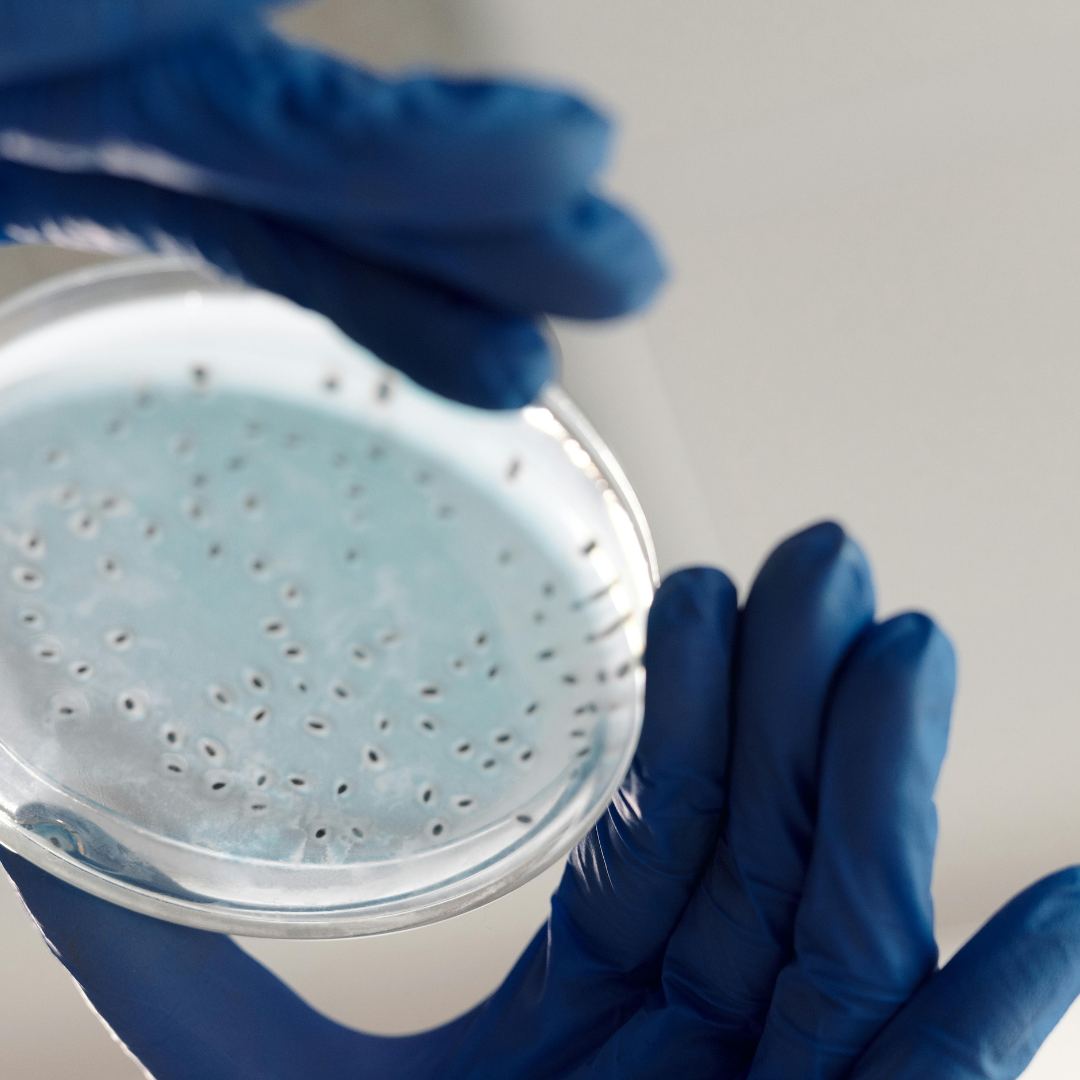
Gloved hands holding a petri dish with cultured microbial colonies
Controlled in-vitro culture plate used to assess product influence on microbial communities.

In-vitro gives us rigorous testing of individual microbial strains under controlled conditions: consistent, reproducible, and comparable across studies and over time. It isolates the product's effect on specific residents and pathogens without confounders.

Ex-vivo adds real-world community relevance: using human-derived samples such as volunteer skin swabs, we observe the product's effect on live microorganisms and on the balance between them, not just one strain at a time.

Together they are robust, repeatable, and scientifically validated, controlled enough to be reproducible, realistic enough to be meaningful. Reduction of certain participant- and environment-related sources of variation compared with in-vivo studies.[1][3] (For active modulation claims, see In-Vivo Studies.)

What the KIND TO BIOME in-vitro + ex-vivo combination gives you

  • Reproducibility of results
  • Validated methodologies
  • Elimination of intraspecies variation (compared with in-vivo studies)[4]
  • Fast turnaround — 2-3 weeks

What the KIND TO BIOME in-vitro + ex-vivo combination gives you

  • Testing on microbial concentrations that are representative of real microbiome populations. Not thousands but millions of cfu/mL.
  • Real world relevance through our Ex-Vivo phase with live strains.

A report your formulators and your legal counsellors can both use

Every certification comes with detailed per-phase reporting: what was tested, against which communities, what the product did to them, and the microbiome-friendly conclusions that follow, plus formulation-development insight where the data reveals it. Across our clients we've now analysed over 5,200 bacterial strains, giving each new study a deep comparative context.

Certification in approximately 2–3 weeks

A benchmark standard, on a product-development timeline. Most certifications complete in about two to three weeks from a passing sample.

Trusted on 300+ certified products

300+

certified products

5,200+

bacterial strains analysed

17+

body-area panels

Selected clients

Unilever logo
WaterWipes logo
The Honey Pot Company logo
Gisou logo

Reference case

The Honey Pot Company — intimate care, validated end to end

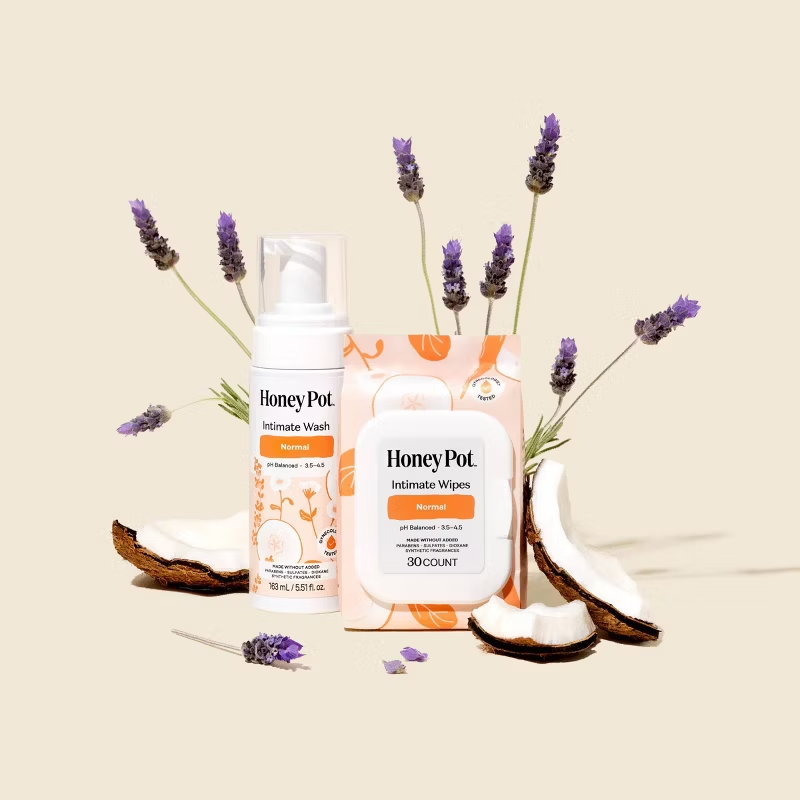
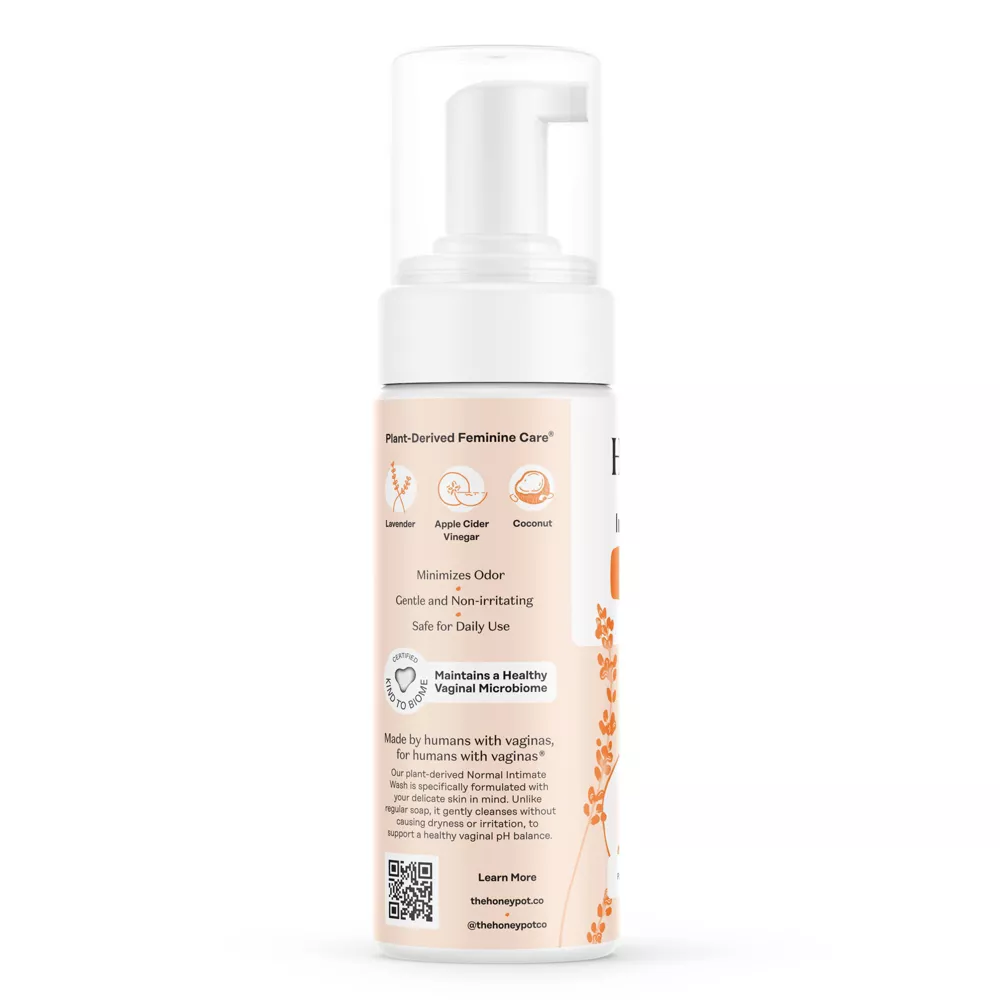
The Honey Pot Company Intimate Wash and Intimate Wipes with lavender and coconutKIND TO BIOME certified microbiome-friendly intimate area seal
The Honey Pot Company logo
  • Intimate-area panel certification
  • On-pack: “Maintains a Healthy Vaginal Microbiome”
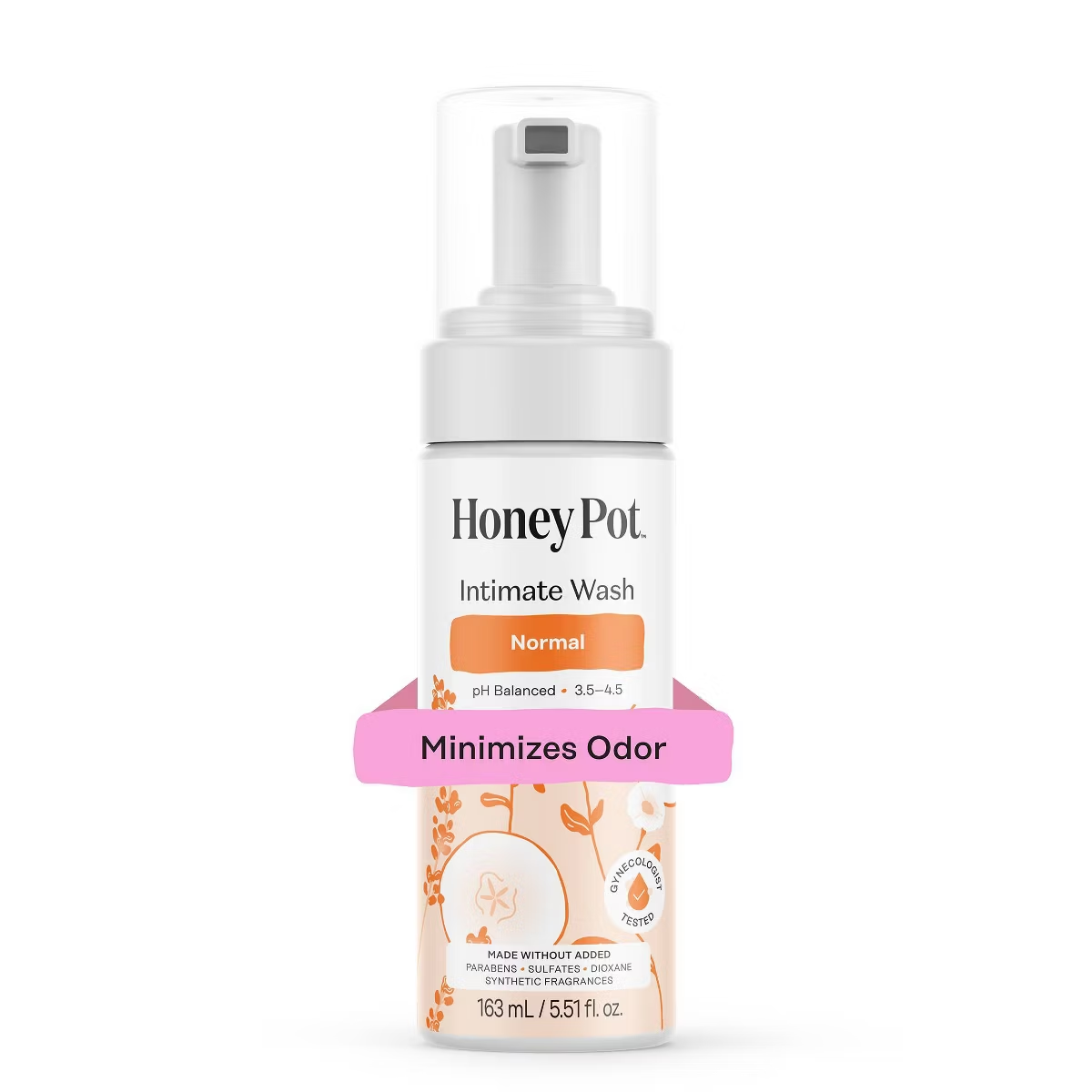
The Honey Pot Company Intimate Wash, Normal, pH balancedKIND TO BIOME certified microbiome-friendly intimate area seal
Back of the Honey Pot Intimate Wash bottle showing the CERTIFIED KIND TO BIOME seal beside the claim Maintains a Healthy Vaginal Microbiome

“KIND TO BIOME provided invaluable insights into understanding the microbiome and assisted us in formulating strategies around effective protocols. We utilized a combination of In Vitro, Ex Vivo, and In Vivo studies to achieve comprehensive results.”

John MilliganJohn MilliganVP R&D — The Honey Pot Company

Scientific & regulatory references

  1. 1.Commission Regulation (EU) No 655/2013 laying down common criteria for the justification of claims used in relation to cosmetic products. Official Journal of the European Union, 2013. (Evidential-support criterion: claims must be supported by “adequate and verifiable evidence,” appropriate to the nature of the claim and reflecting “state of the art,” using valid, reliable and reproducible methods.)
  2. 2.Regulation (EC) No 1223/2009 of the European Parliament and of the Council on cosmetic products. Official Journal of the European Union, 2009. (Defines a cosmetic product by its action on the external surfaces of the body to clean, perfume, change appearance, protect or keep in good condition — the basis for why non-disruption claims fit the cosmetic definition while active physiological “modulation” invites higher scrutiny. Cross-reference Directive 2001/83/EC on the medicinal-product borderline.)
  3. 3.Byrd AL, Belkaid Y, Segre JA. The human skin microbiome. Nat Rev Microbiol. 2018;16(3):143–155. doi:10.1038/nrmicro.2017.157 (PMID: 29332945). (Establishes skin community complexity and high inter-individual/site variability — why controlled, reproducible methods matter and why in-vivo modulation must be shown longitudinally.)
  4. 4.Taléns-Visconti R, et al. Cosmetic interventions for skin microbiome modulation: current strategies and future directions. Skin Res Technol. 2026. doi:10.1111/srt.70352 (PMID: 41988834). (Reports that properly formulated cosmetics generally do not induce major dysbiosis in healthy skin — the non-modulation baseline — while active modulation benefits are the domain of advanced formulations supported by clinical study.)
  5. 5.Xu DT, et al. Microbiome data variation depending on sampling methods in acne vulgaris. Front Immunol. 2025;16:1566786. doi:10.3389/fimmu.2025.1566786 (PMID: 40552289). (Different sampling methods yield significantly different in-vivo microbiome results — underscoring why in-vivo modulation studies must be tightly controlled, and why a controlled ex-vivo protocol is a clean way to answer a non-disruption question.)
  6. 6.ISO 17516:2014 — Cosmetics — Microbiology — Microbiological limits. International Organization for Standardization, 2014. (The purity standard applied in Phase 1: TAMC / TYMC limits.)