Interpretation, not just data.
Compositional-aware analysis and honest, plain-language readouts turn sequencing into decisions and defensible claims.[1][2][10]
Volunteer recruitment & sampling
We recruit from a database of 1,500+ pre-screened volunteers and sample every participant in-lab, under professional, standardised conditions. No home kits, no guesswork, because the way a sample is taken can change the result as much as the product being tested.[9]
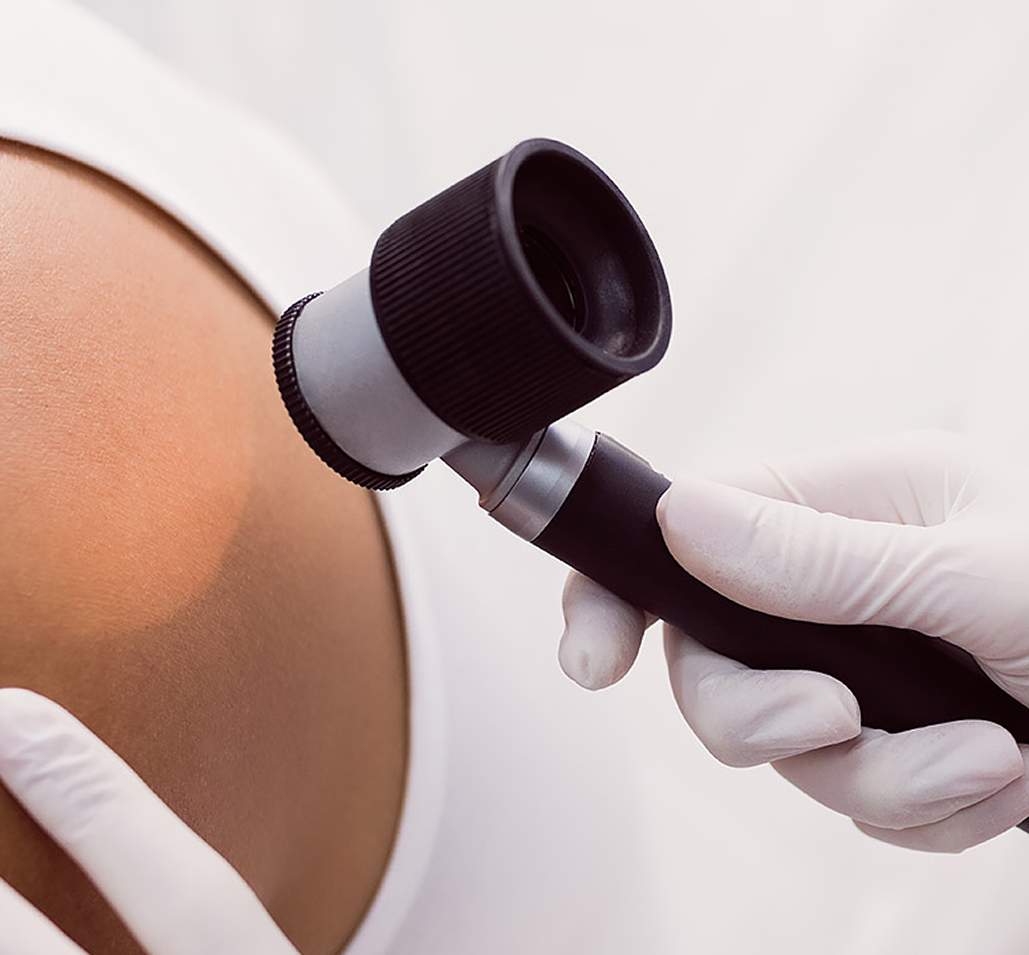
Recruiting the right volunteers is usually the slowest, riskiest part of an in-vivo study. Our platform removes that bottleneck: a database of 1,500+ individuals, pre-screened and profiled by skin type, condition (e.g. acne-prone), demographics, medical history and skincare habits. That means we can assemble a cohort that genuinely matches your study criteria — quickly, and with the confounders already mapped.
We work with you to set precise inclusion and exclusion criteria: skin type, condition, age, sex, product-use history and anything else your endpoint demands.
We filter the 1,500+ panel against those criteria to build a candidate shortlist that fits the study on paper.
We review detailed profiles — medical history, skincare habits, lifestyle factors — and pre-interview candidates, so the people who reach your study are a true match, not just a demographic tick-box.
We select a diverse, criteria-matched cohort and invite them in for controlled, in-lab sampling.
This is a deliberate quality decision, not a logistical one. In a head-to-head comparison in acne patients, three sampling approaches produced significantly different bacterial and fungal microbiome results from the same subjects — the method itself moved the data.[9] Skin is also a low-biomass surface, so casual or inconsistent sampling readily introduces contamination and variation that can masquerade as a product effect.
Controlling sampling in-lab removes those variables: consistent site, technique, timing and subject preparation, performed by trained professionals, every time. It is one of the biggest reasons methodological standardisation is repeatedly cited as the key to making skin-microbiome data trustworthy and comparable[4][9] — and it is why we don’t compromise on it.
Comparability — every sample taken the same way, so differences reflect your product, not the swabbing.
Low contamination — professional technique on a low-biomass surface.
Clean confounder control — standardised prep and timing across the cohort.
Home self-sampling is cheaper and faster — and it quietly undermines the data you’re paying to generate. Untrained volunteers vary in technique, timing, pressure, site and preparation; each of those is a known lever on microbiome results.[9] On a low-biomass surface like skin, that variability and contamination can produce or erase apparent effects, so a study built on self-sampled data may not be reproducible — and may not survive the scrutiny that a claim invites. When the sample is compromised, no amount of downstream sequencing or statistics can recover the truth, meaning that you might have to remove the volunteer from the study entirely and hence compromise your sample size. We remove that risk at the source.
1,500+ pre-screened individuals, profiled by skin type, condition, demographics, medical history and skincare habits.
Because the panel is pre-screened and profiled, we move quickly from criteria to a matched cohort.
Yes — condition-matched recruitment (e.g. acne-prone volunteers) is a core capability and feeds directly into our acne and quorum-quenching study designs. The same applies for other conditions like rosacea, dandruff, atopic dermatitis etc. (See Acne-Targeting.)
Compositional-aware analysis and honest, plain-language readouts turn sequencing into decisions and defensible claims.[1][2][10]
1,500+ pre-screened, profiled volunteers, matched fast to your criteria.
The single biggest guard against the variability and contamination that sink microbiome studies.[4][9]
Full-length 16S + ITS on PacBio Revio HiFi — resolution that sees the effects genus-level data misses.[3]
The right balance of cost, data and insight, built to substantiate a claim.[10]
One partner from hypothesis to claim, cross-linked to acne and quorum-quenching capabilities.