Compositional by nature
Microbiome data describes relative proportions, not absolute counts. Analysed naïvely, it produces artefacts that look like real biology.[1]
In-vivo microbiome studies
Skin microbiome data is compositional, noisy, and unforgiving of shortcuts — a raw species table is not an answer. We run end-to-end in-vivo studies on real, acne-and-condition-matched volunteers, and turn the sequencing into a defensible story: what your product did to the skin ecosystem, whether it holds up statistically, and which claims it will support.
Two studies can use the same swabs, the same sequencer and the same reference database, and reach opposite conclusions. The difference is method and interpretation. Microbiome datasets are compositional: they describe relative proportions, not absolute counts, so naïve analysis routinely produces artefacts that look like real biological effects.[1] The choice of normalisation and differential-abundance method materially changes which “significant” findings you get.[2] And skin communities vary enormously between individuals and body sites, which can swamp a genuine product effect if a study isn’t designed and read correctly.[6][8]
This is exactly where we earn our keep. We don’t hand you a data dump; we design the study to detect the effect you care about, analyse it with methods appropriate to compositional data, and tell you, plainly, what is real, what is noise, and what it means for your product.[1][2]
Microbiome data describes relative proportions, not absolute counts. Analysed naïvely, it produces artefacts that look like real biology.[1]
Skin communities differ enormously between individuals and body sites, which can swamp a genuine product effect.[6][8]
Normalisation and differential-abundance choices change which findings come out “significant”. Judgement decides what is real.[2]
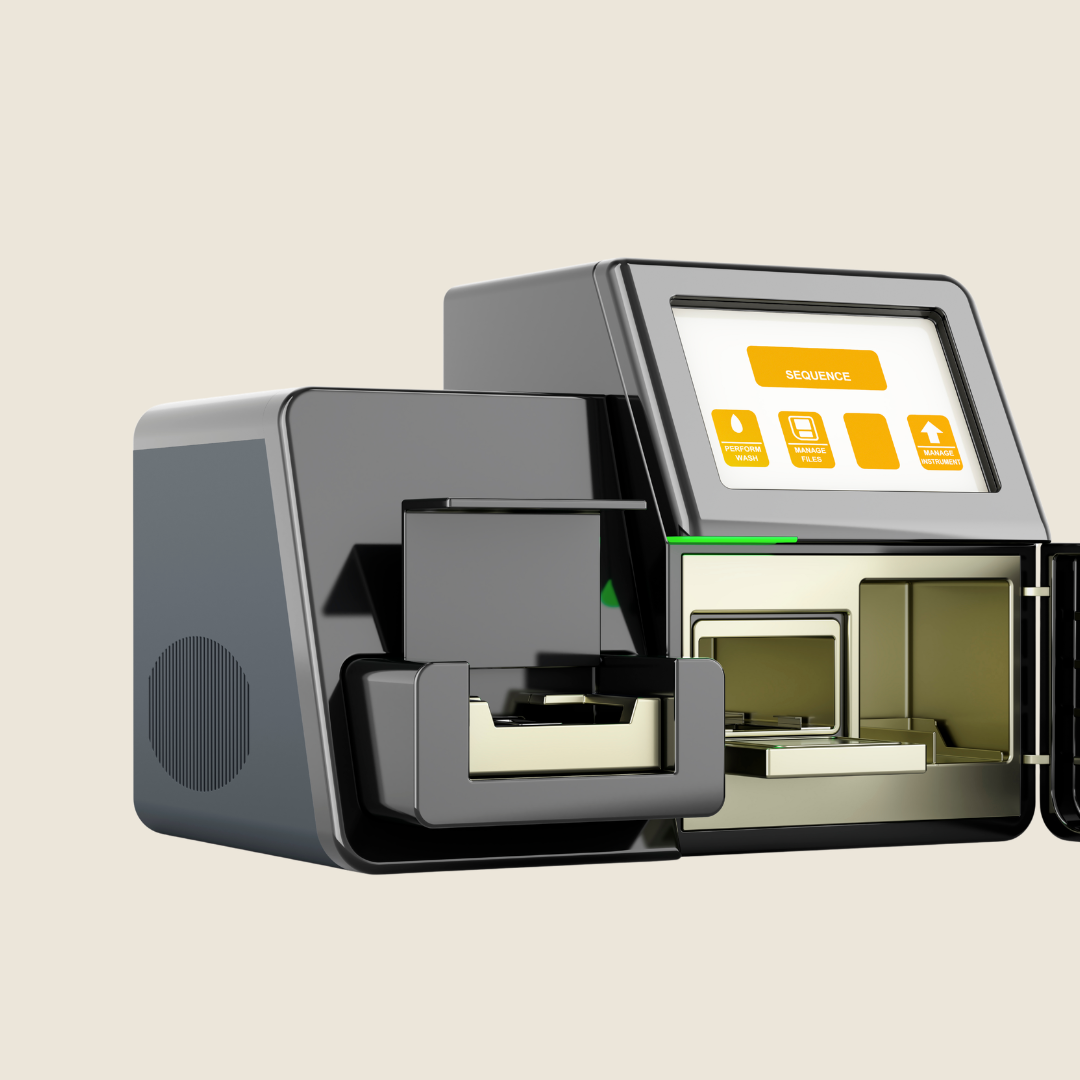
We sequence full-length 16S rRNA (bacteria) and ITS (fungi) using HiFi long-read sequencing on the PacBio Revio platform. That matters more than it sounds:
Short-read 16S typically resolves only to genus; full-length 16S has been shown to deliver taxonomic resolution down to species and strain level.[3] For skin, that is decisive — acne, for example, is driven by the balance of C. acnes strains, not the total amount, so genus- or species-only data can miss the entire effect.[3][7] (See our Acne-Targeting page.)
Adding ITS fungal profiling to 16S gives a fuller picture of the community particularly relevant to some body sites — and different sampling and sequencing choices are known to shift both bacterial and fungal readouts, so getting this right is not optional.[9]
High-quality DNA extraction, rigorous QC, amplicon library prep, taxonomic profiling, alpha diversity (richness and evenness), beta diversity (weighted and unweighted), and appropriate statistical analysis — the full chain, controlled end to end.
More data is not automatically more insight. A study over-powered on sample count but under-designed on timepoints, or one that sequences deeply but samples the wrong site, wastes budget and still can’t support a claim. We help you find the right point on the curve for your question and your claim, number of volunteers, timepoints, sampling sites, sequencing depth, so you pay for evidence that will actually stand up, not for data you can’t use.
Because we design with the end in mind, the output is built to substantiate claims: under EU cosmetic-claims rules, a claim must rest on “adequate and verifiable evidence” using well-designed, reliable and reproducible methods, which is precisely what a properly designed and interpreted in-vivo study delivers.[10]
Most importantly, the final reports will have a conclusion you can easily understand and translate to a product claim. Most laboratories that offer such studies stop short of that conclusion and merely lay out data, which only a trained DNA-microbiologist together with a statistician could interpret.
We translate your product hypothesis and target claim into a study that can actually test it — endpoints, power, timepoints, controls.
We draw condition-matched, pre-screened volunteers from our panel. (How we do this.)
Professionals sample under controlled conditions, so your data is clean and comparable — not corrupted at the source.[9]
A plain-language readout of what happened, what’s significant, and what you can claim, not a raw table.
Every result on this page depends on one thing most labs treat as an afterthought: the sample. We recruit from a database of 1,500+ pre-screened volunteers and sample every one of them in-lab, under professional, standardised conditions, because sampling method alone can significantly change the microbiome data you get.[9]
Studies are conducted with ethics-committee oversight and informed consent, and all volunteer data is handled in compliance with the GDPR.
Design and interpretation. Sequencing is a commodity; correct compositional analysis, a study powered to detect a real effect against high inter-individual variability, and a defensible link from data to claim are not.[1][2][6] A cheaper raw dataset you can’t interpret — or can’t substantiate a claim with — is more expensive in the end.
Yes — that’s the point. We design studies to produce the “adequate and verifiable evidence” EU claims rules require, and we help frame what the data can and cannot support.[10] (See claims framing on our Acne-Targeting page.)
“KIND TO BIOME provided invaluable insights into understanding the microbiome and assisted us in formulating strategies around effective protocols. We utilized a combination of In Vitro, Ex Vivo, and In Vivo studies to achieve comprehensive results.”
Compositional-aware analysis and honest, plain-language readouts turn sequencing into decisions and defensible claims.[1][2][10]
1,500+ pre-screened, profiled volunteers, matched fast to your criteria.
The single biggest guard against the variability and contamination that sink microbiome studies.[4][9]
Full-length 16S + ITS on PacBio Revio HiFi — resolution that sees the effects genus-level data misses.[3]
The right balance of cost, data and insight, built to substantiate a claim.[10]
One partner from hypothesis to claim, cross-linked to acne and quorum-quenching capabilities.